


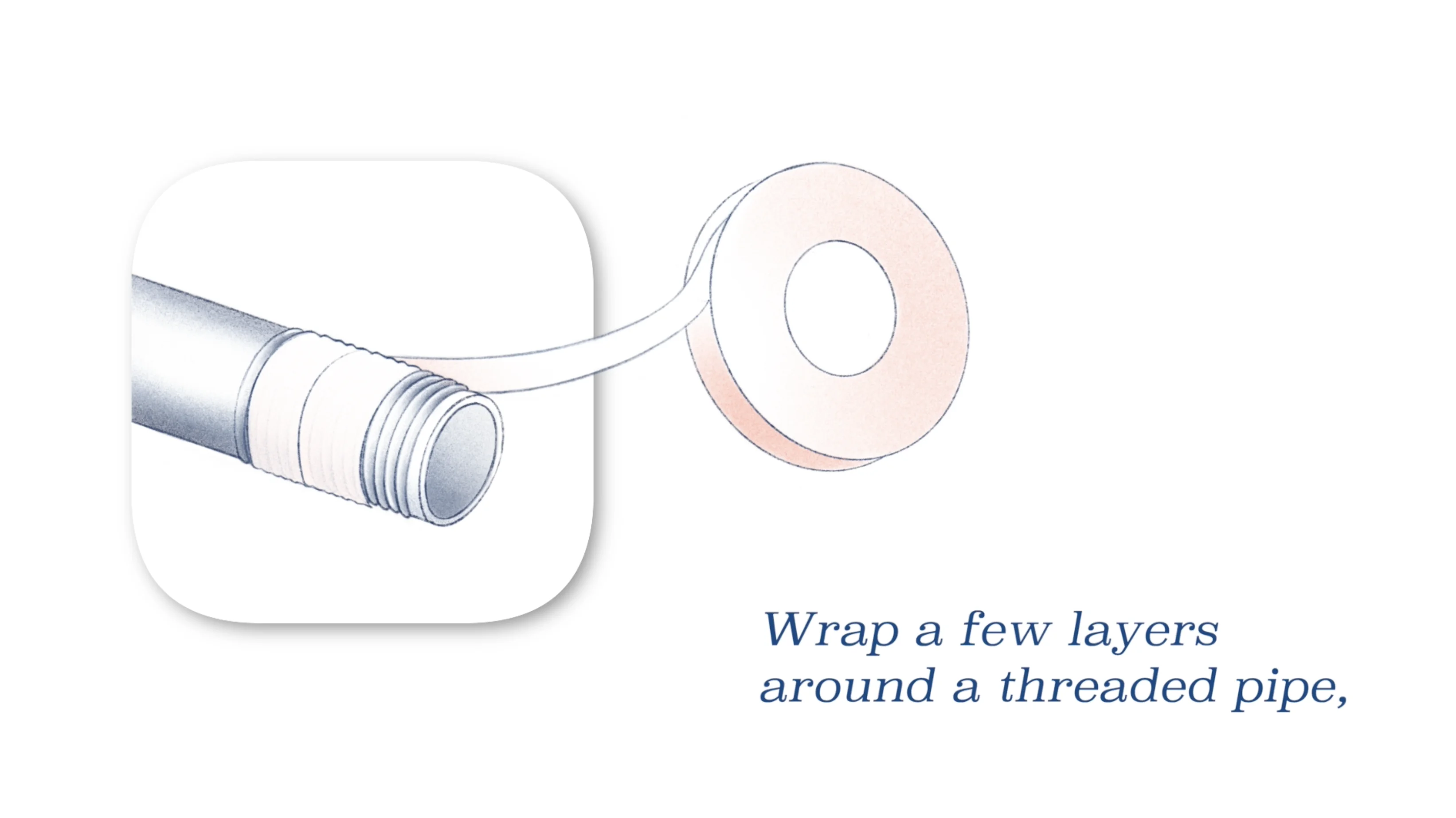
In many plumbing systems, Teflon tape is widely used on pipe joints. Wrap a few layers around a threaded pipe, tighten it, and the leak stops. It isn't glue, and it doesn't cure or harden — so how does a thin strip of white film actually stop water and gas from escaping a threaded joint?
It starts with the molecule
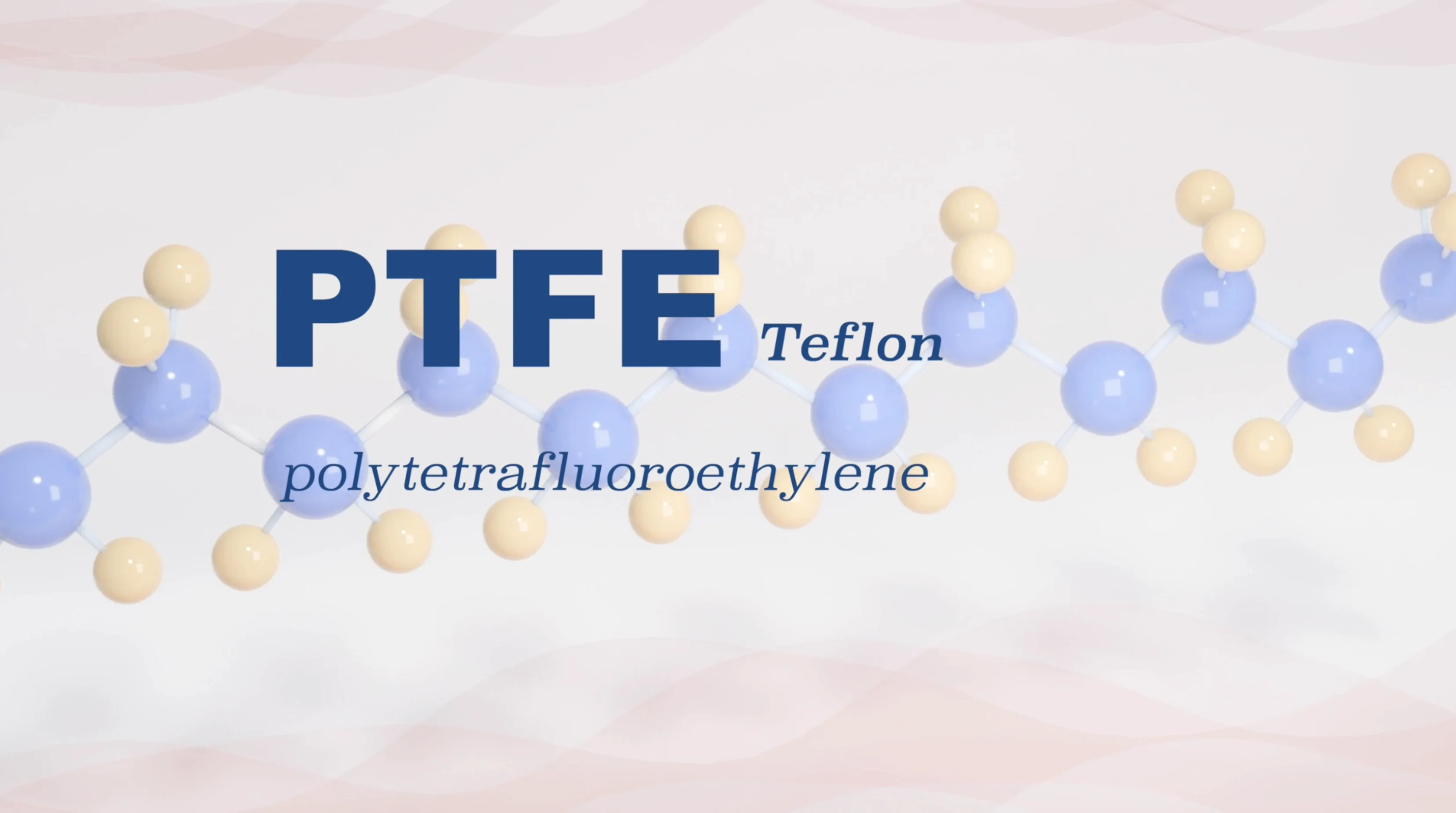
The answer comes down to PTFE's molecular structure — long carbon-fluorine chains that make the material chemically inert, non-stick, and stable across an unusually wide temperature range, from -200°C to over 260°C. That stability is what lets the same strip of tape perform identically whether it's sealing a cold water line or a high-temperature industrial fitting.
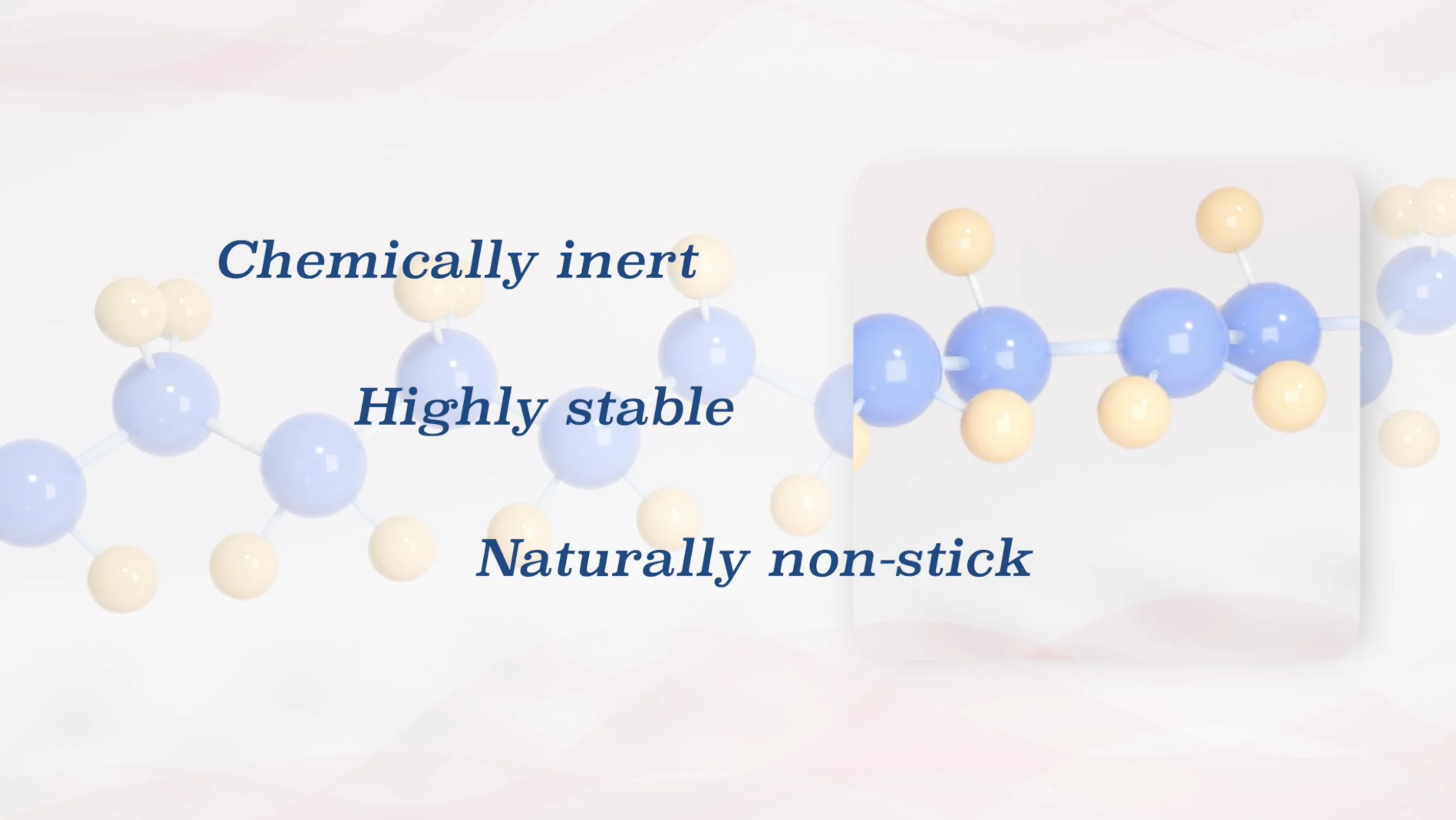
Why it seals: hydrophobic, then physical
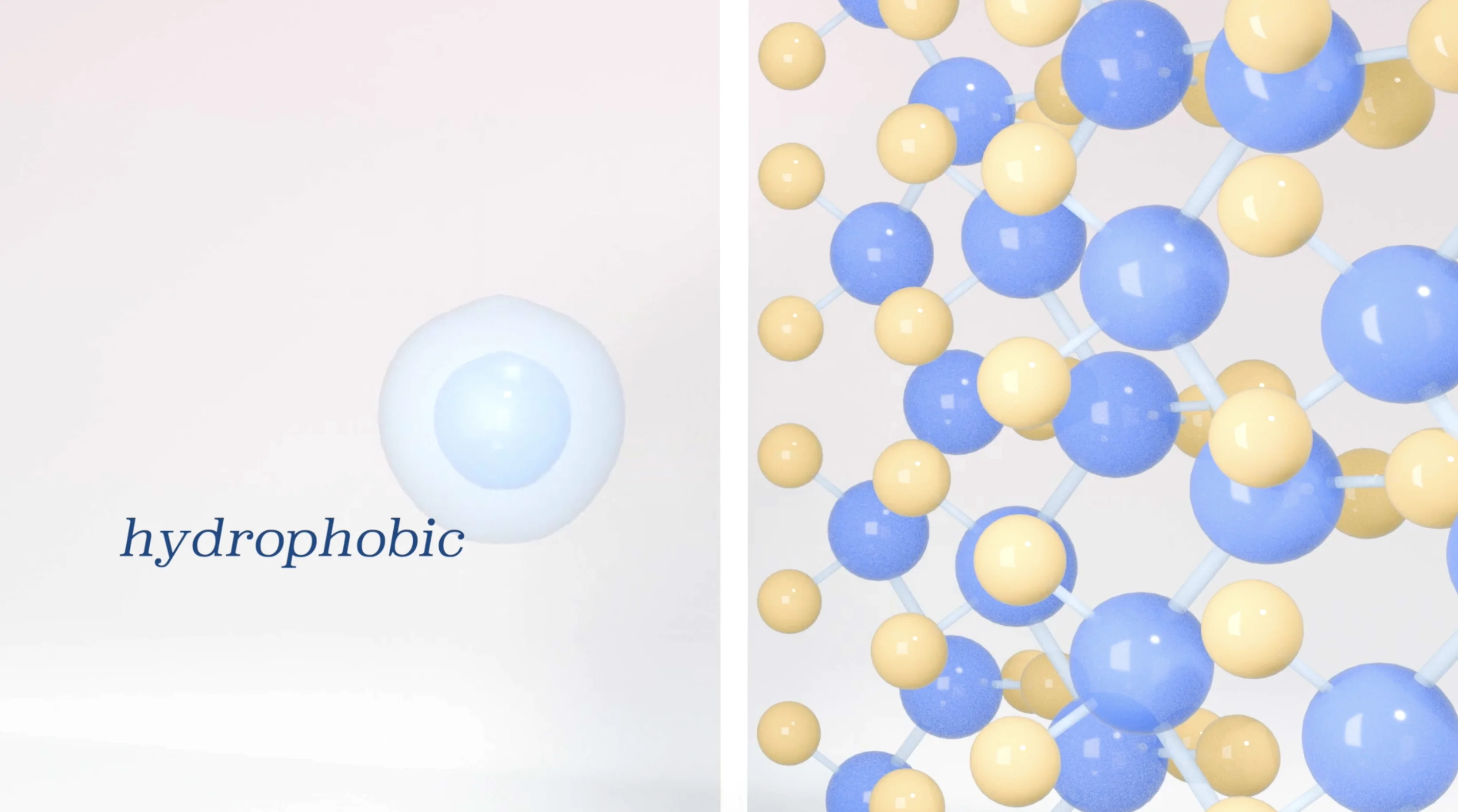
PTFE's non-polar molecular structure makes it naturally hydrophobic — water simply can't wet or pass through the surface. But hydrophobicity alone isn't enough to seal a threaded joint; the real seal comes from what happens under pressure. As the fitting is tightened, PTFE slightly deforms and flows into the microscopic gaps between the threads, physically filling the space so there's no continuous path left for water or gas to escape through.
Two mechanisms, one seal
Put together, PTFE tape seals a joint through two mechanisms working at once: a hydrophobic surface that resists water on contact, and a deformable film that flows into thread gaps under compression. Neither one alone would be enough — it's the combination that makes a few wraps of tape as reliable as it is.